
Ad Astra Blog
You should celebrate Dark Sky Week in your not-so-dark town
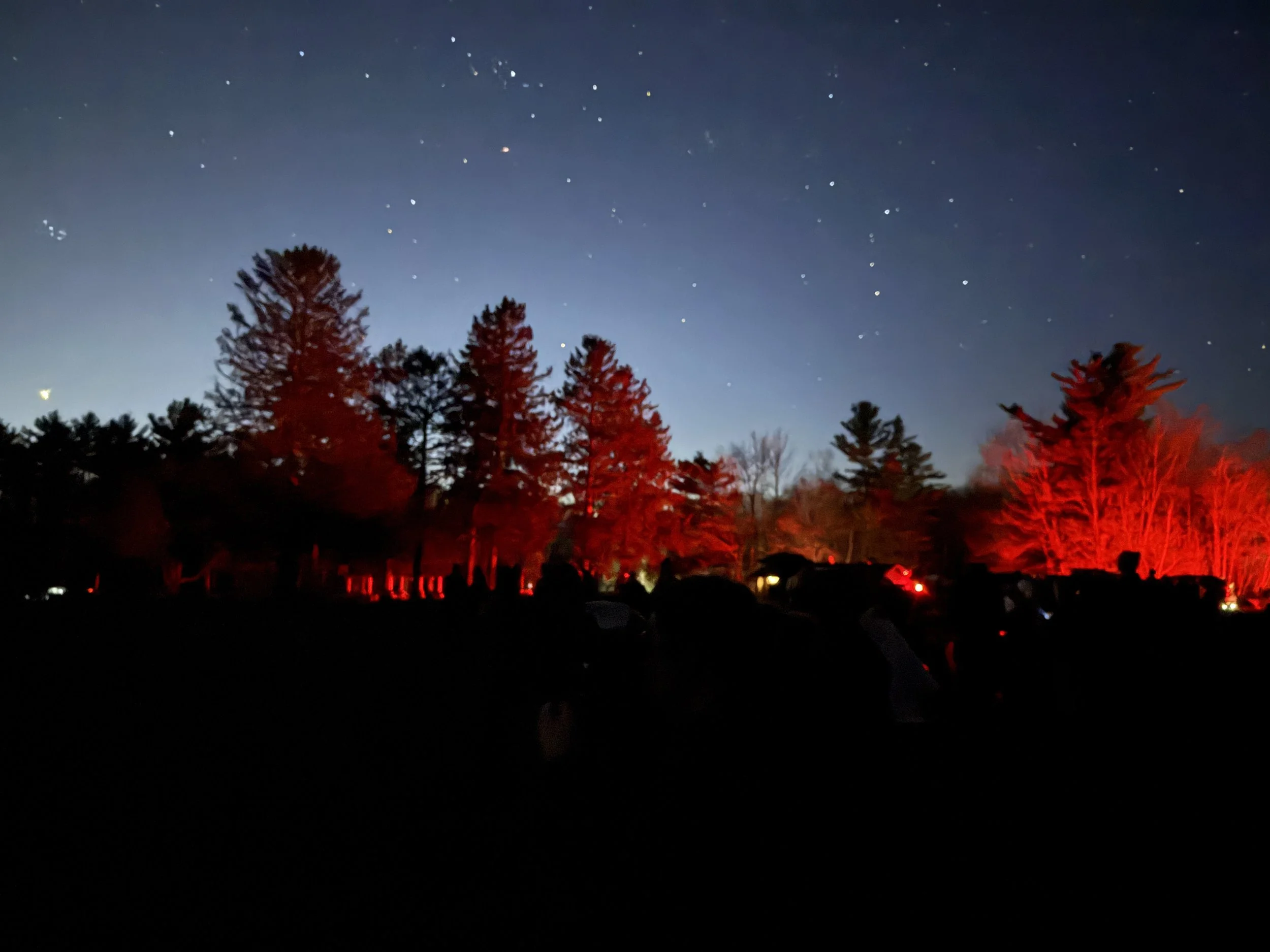
First of all, I know I missed April. I had a lot going on. One of those things was the first Capital District Dark Sky Week.
First of all, I know I missed April. I had a lot going on. One of those things was the first Capital District Dark Sky Week.
International Dark Sky Week is nothing new. IDSW was started as National Dark Sky Week in 2003 by Virginia high school student Jennifer Barlow as an effort to draw attention the beauty, function, and fragility of truly dark skies. Now it’s spearheaded by DarkSky International and is held during the week of the new moon during April (which also happens to be Global Astronomy Month). There are events held all over the world, mostly in the places you’d expect - places with dry air and little light pollution.
Where I live in upstate New York is not known as being a particularly nice place for stargazing. There are some dark spots, but nothing extraordinary. It’s also cloudy and/rainy approximately one thousand percent of the time, so astronomy is one of the more frustrating hobbies you can have here.
Dark skies and light pollution are usually associated with astronomy, and for good reason. Astronomers started the leading dark sky preservation organization, and, despite the existence of space telescopes, most of professional astronomy is done from the ground. Astronomers notice a brightening of the night sky earlier than most.
But it would be a mistake to assume that astronomers are the only people who care - or should care - about preserving dark skies. In fact, light pollution - the excess artificial light that changes natural patterns of light and dark - impacts a wide range of animals and plants. Scientists are just starting to grapple with the impact of light as an environmental pollutant.
It’s with this in mind that I organized a week of educational programs that I organized the first Capital District Dark Sky Week in upstate New York. I’m deeply jealous of places like Flagstaff and the Grand Canyon in Arizona, Badlands in South Dakota, and any number other dry places out west where you can reliably schedule star parties and be reasonably sure the sky will cooperate. That’s not true in New York, where it’s cloudy more often than it isn’t. But preserving dark skies is not about preserving astronomy, only. It’s about making sure that we aren’t haphazardly making it harder for other living things to thrive.
In my experience, light is not considered something that should be used sparingly. We live in 2026, we have plenty of light! We can shine it all around! But, like other modern conveniences, using too much can have unintended impacts. My hope with this program was to bring this to the attention of nature-lovers of all stripes who may or may not care much about astronomy. We are allies in this. Whether you want dark skies to help birds, plants, or stars, we get to the same place.
If you don’t live in a dark sky area, organizing an event like this can seem daunting. Luckily, you don’t have to reinvent the wheel. You don’t even have to be a subject-matter expert. Find organizations in your area that do nature conservation work. They may know someone who can speak on nocturnal wildlife. What about your local amateur astronomy group? They may be able to help with star parties. The more local orgs you can bring into this, the better. They can help with planning and advertising. In the end, you have a great community who may not have talked much before but now have a common interest.
It doesn’t take a big organization to put on a quality event. You don’t even need dark skies to promote International Dark Sky Week (half of our star parties were clouded out).
The next International Dark Sky Week is April 5-11, 2027. Even if it’s just a special star party with your local astronomy group, there is literally nothing stopping you from making it a special and en-dark-ening time for your community.